


From Mug to Medicine Cabinet: Is Your Herbal Tea Blend Safe?
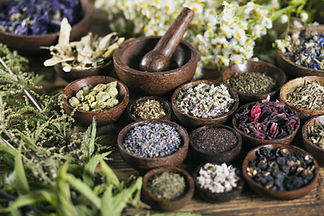
There is something deeply comforting about brewing a hot mug of herbal tea. Whether you are looking to wind down before bed, kickstart your morning metabolism, or soothe a bloated belly, turning to plants feels like a gentle, natural way to care for your body.
But here is a fundamental truth that often gets lost in the wellness world: "Natural" does not automatically mean safe.
Plants contain powerful, active chemical compounds. In fact, many of modern medicine's most potent pharmaceuticals were originally isolated from herbs. When you brew a blend featuring heavy-hitting botanicals like turmeric, ashwagandha, or ginseng, you aren't just drinking flavored water—you are drinking a mild botanical infusion.
Below, we break down eleven popular tea ingredients, mapping out what they do best and—more importantly—who should think twice before drinking them.
🛑 Medical Disclaimer
This blog post is for educational and general informational purposes only. It is not intended to be a substitute for professional medical advice, diagnosis, or treatment. Herbal ingredients can interact significantly with prescription medications and underlying health conditions. Always consult your doctor or a qualified healthcare provider before introducing new herbal remedies into your daily routine.
1. Turmeric
The Good: Famous for its bright yellow hue, turmeric contains curcumin, a compound highly praised for its potent anti-inflammatory and antioxidant properties. It is often used to soothe joint discomfort and support metabolic health.
The Caution: Turmeric is a natural anticoagulant (blood thinner). If you are taking prescription blood thinners (like warfarin) or have an upcoming surgery, drinking heavy amounts of turmeric tea can increase your risk of bleeding. It can also stimulate gallbladder contractions, so those with gallstones should proceed with caution.
Utopian Tea blends with TURMERIC: The Red Doctor, Anti-inflame.
2. Ashwagandha
The Good: As a popular adaptogen (an herb that helps the body manage stress), ashwagandha is widely used to lower cortisol levels, reduce anxiety, and improve sleep quality.
The Caution: Ashwagandha can stimulate the immune system, making it potentially problematic for anyone with autoimmune diseases (like lupus or rheumatoid arthritis). It can also increase thyroid hormone production, meaning people with hyperthyroidism should strictly avoid it. Additionally, regulatory bodies have flagged rare but notable risks of gastrointestinal distress and liver sensitivity with prolonged use.
Utopian Tea blends with Ashwagandha: The Red Doctor, Blue Tranquility.
3. Milk Thistle
The Good: Milk thistle contains silymarin, an antioxidant compound traditionally prized for its liver-protecting properties and its ability to help the liver process toxins.
The Caution: Milk thistle belongs to the Asteraceae plant family. If you are allergic to ragweed, daisies, marigolds, or chrysanthemums, you may experience an allergic reaction to milk thistle. It can also mildly mimic estrogen, meaning individuals with hormone-sensitive conditions (like certain breast or uterine cancers) should exercise caution.
Utopian Tea blends with Milk Thistle: Liv Elixir.
4. Calendula (Marigold)
The Good: Often used to soothe the digestive tract, reduce internal inflammation, and support immune function.
The Caution: Just like milk thistle, calendula is part of the ragweed family. Severe allergic reactions or skin rashes can occur if you have a known allergy to these plants. Because it can stimulate menstruation or mild uterine contractions, it should be entirely avoided during pregnancy.
Utopian Tea blends with Calendule: OxyEase, PowerSop.
5. Soursop (Graviola)
The Good: Soursop leaves are often brewed into tea for their high concentration of antioxidants and traditional immune-boosting, anti-inflammatory benefits.
The Caution: Soursop contains annonacin, a neurotoxin that can be harmful to the nervous system in high doses. Long-term, heavy consumption of soursop tea has been linked in medical literature to nerve damage and movement symptoms resembling Parkinson’s disease. It can also lower blood pressure and blood sugar, dangerously multiplying the effects of medications for hypertension or diabetes.
Utopian Tea blends with Sousop: PowerSop
6. Green Tea
The Good: Loaded with catechins (powerful antioxidants like EGCG), green tea is excellent for cardiovascular health, boosting metabolism, and enhancing cognitive focus.
The Caution: The natural caffeine content in green tea can trigger jitters, anxiety, and sleep disturbances in sensitive individuals. Furthermore, highly concentrated green tea extracts have been linked to liver stress, and the tea can mildly reduce the absorption of dietary iron when consumed alongside meals.
Utopian Tea blends with Green Tea: Powerhouse, Peppermint Green, PowerSop, Detox, MATCHA Luxe.
7. Blue Butterfly Pea Tea
The Good: This stunning flower brews into a vibrant blue tea that changes to purple with a squeeze of lemon juice. It is packed with anthocyanins, which are brilliant antioxidants that protect cells from damage.
The Caution: While generally gentle, traditional medicine notes that butterfly pea flower can act as an emmenagogue—meaning it may stimulate pelvic blood flow and uterine contractions. For this reason, it is generally recommended that pregnant individuals avoid it. It may also slow down blood clotting, creating minor risks for those on blood thinners.
Utopian Tea blends with Blue Butterfly Pea Tea: Blue Tranquility
8. Chamomile
The Good: The ultimate "before bed" brew. Chamomile contains apigenin, an antioxidant that binds to specific receptors in your brain to decrease anxiety and initiate sleep.
The Caution: Once again, ragweed allergy sufferers beware: chamomile is a prime trigger for seasonal allergy cross-reactivity. If you experience itchy eyes or a scratchy throat when drinking it, you may be allergic. It can also act as a very mild sedative, so it shouldn't be heavily combined with prescription sleep aids or alcohol.
Utopian Tea blends with Chamomile: Dreamtime Serenity
9. Hibiscus
The Good: This tart, crimson tea is famous for its ability to naturally lower blood pressure and improve systemic cholesterol profiles.
The Caution: Because it is highly effective at opening up blood vessels, it can cause blood pressure to drop too low if you are already taking antihypertensive medications. It also contains plant estrogens that can interfere with birth control or hormone therapies, and it can lower acetaminophen (Tylenol) efficiency by accelerating how quickly your body processes it.
Utopian Tea blends with Hibiscus: Womens wellness, Liv Elixir, Forest Infusion
10. Red Clover
The Good: Red clover is rich in isoflavones, a type of phytoestrogen (plant-based estrogen). It is frequently utilised by women seeking natural relief from menopausal hot flashes.
The Caution: Because it mimics estrogen in the body, red clover is strictly contraindicated for anyone with hormone-dependent conditions, such as estrogen-receptor-positive breast, ovarian, or uterine cancers. It should also be avoided if you take oral contraceptives or hormone replacement therapy. Additionally, it contains natural coumarins, which thin the blood and interact with anticoagulants.
Utopian Tea blends with red Clover: Womens Wellness
11. Ginseng (Asian or American)
The Good: A powerhouse adaptogen used for centuries to drastically sharpen mental clarity, reduce physical fatigue, and boost overall immune resilience.
The Caution: Ginseng is highly stimulating. It can cause headaches, insomnia, and rapid heart rates in some individuals. It significantly alters blood glucose levels, meaning diabetics must monitor their blood sugar closely to avoid dangerous hypoglycemia (low blood sugar). It also heavily interacts with blood thinners and can lower the effectiveness of certain immunosuppressant drugs.
Utopian Tea blends with Ginseng: Womens Wellness
📋 The Herbal Quick-Reference Guide
To help you audit your tea cupboard, use this quick cheat sheet to see which herbs require a conversation with your doctor based on your personal health profile:
If You Are... ⚠️ Approach These Herbs with Caution
Taking Blood Thinners: Turmeric, Blue Butterfly Pea, Red Clover, Ginseng
Pregnant or Breastfeeding: Ashwagandha, Calendula, Blue Butterfly Pea, Red Clover
Allergic to Ragweed/Daisies: Milk Thistle, Calendula, Chamomile
On Blood Pressure or Diabetes Meds: Soursop, Hibiscus, Ginseng, Ashwagandha
Dealing with Hormone-Sensitive Conditions: Red Clover, Milk Thistle, Hibiscus
Managing a Thyroid or Autoimmune Condition: Ashwagandha
The Golden Rule of Herbal Teas
Enjoying a single, diverse cup of herbal tea every other day is usually perfectly benign for a healthy adult. However, if you plan to drink a specific blend daily, or if you are using concentrated herbal teas, treat it with the same respect you would treat an over-the-counter supplement. Listen to your body, check for drug interactions, and never hesitate to send a quick message to your doctor to ensure your favourite brew is working for your health, not against it.


Comments